Designing a baby book that grows with your child
Create a baby book you can add to year after year as your child reaches new milestones.
By the Studio6 min read
New parents take thousands of photos in the first year. Tiny feet, sleepy faces, the first smile, the first food, the first wobbly step. Then the days blur together, the phone fills up and the photos sink into the camera roll. A baby book saves that year from disappearing, and a well-designed one can keep growing alongside your child.
Why make a baby book?
The first years pass astonishingly quickly, and much of what happens is forgotten, even by the parents who lived it. A book captures not just how a child looked, but who they were becoming: their expressions, their favourite toy, the song that calmed them, the people who loved them. Children love looking at their baby book again and again as they grow.
Plan it as a series, not a single book
Rather than trying to fit everything into one huge volume, design a series: one book for the first year, then one for each following year or every two years. Use the same format, cover style and typeface each time so the books look like a set on the shelf. Each new edition becomes something your child looks forward to.
Organise the first year by month
A simple, beautiful structure for the first book is one spread per month. On the left, a portrait taken in the same place each month, perhaps with a favourite blanket or toy for scale. On the right, a few photos of what happened that month, with short notes: first laugh, first visit to grandparents, first tooth.
Include the milestones that matter to your family
Many families mark special moments: the naming ceremony, the first rice feeding, the first festival, the first birthday. Give each of these its own pages, with photos of the family members who were there. These are the pages your child will ask about most when they are older.
Capture the details
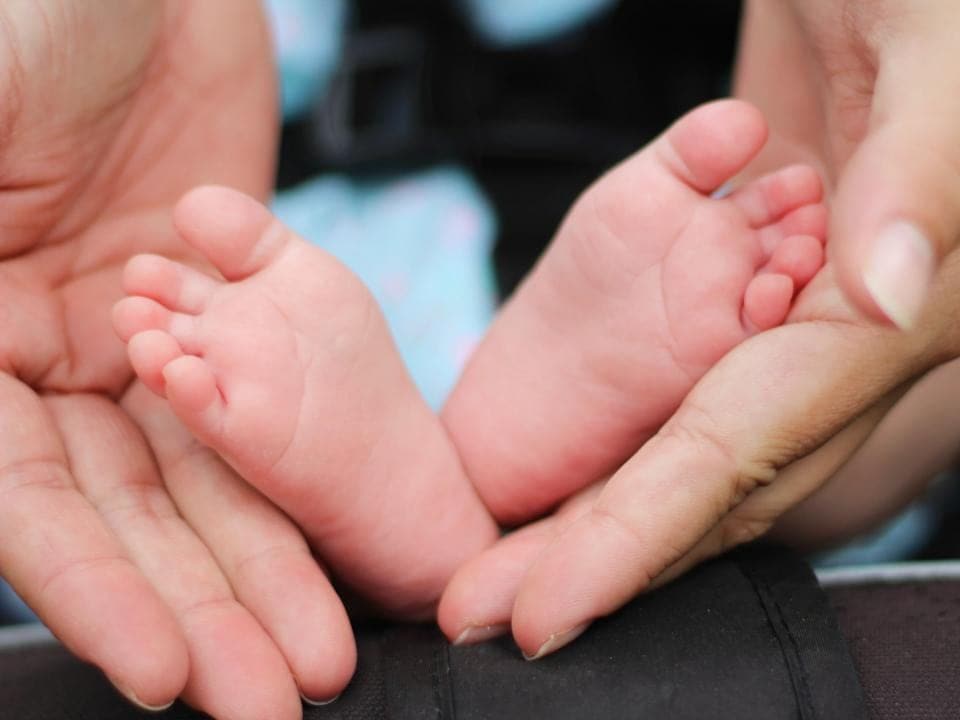
Photograph the small things that will change: tiny hands holding a finger, feet, the first pair of shoes, the cot, the bath. These close-ups make beautiful grids and are often the most emotional pages in the book.
Write it down while you remember
Keep a simple note on your phone with dates and small stories. What made them laugh, what they called the cat, how they reacted to their first taste of something sour. These notes become captions, and they are the details that fade from memory fastest.
Include the family
A baby book is not only about the baby. Include parents, siblings, grandparents, aunts, uncles and friends. Years from now, your child will treasure seeing the people who held them when they were small, some of whom they may not remember.
Leave room to write
Choose a matte or uncoated paper and leave a few pages with space for handwritten notes. A letter from each parent at the end of the first year, written directly in the book, becomes something your child can read when they are grown.