What makes a good cover photo
Your cover is a promise to the reader about what is inside.
By the Studio5 min read
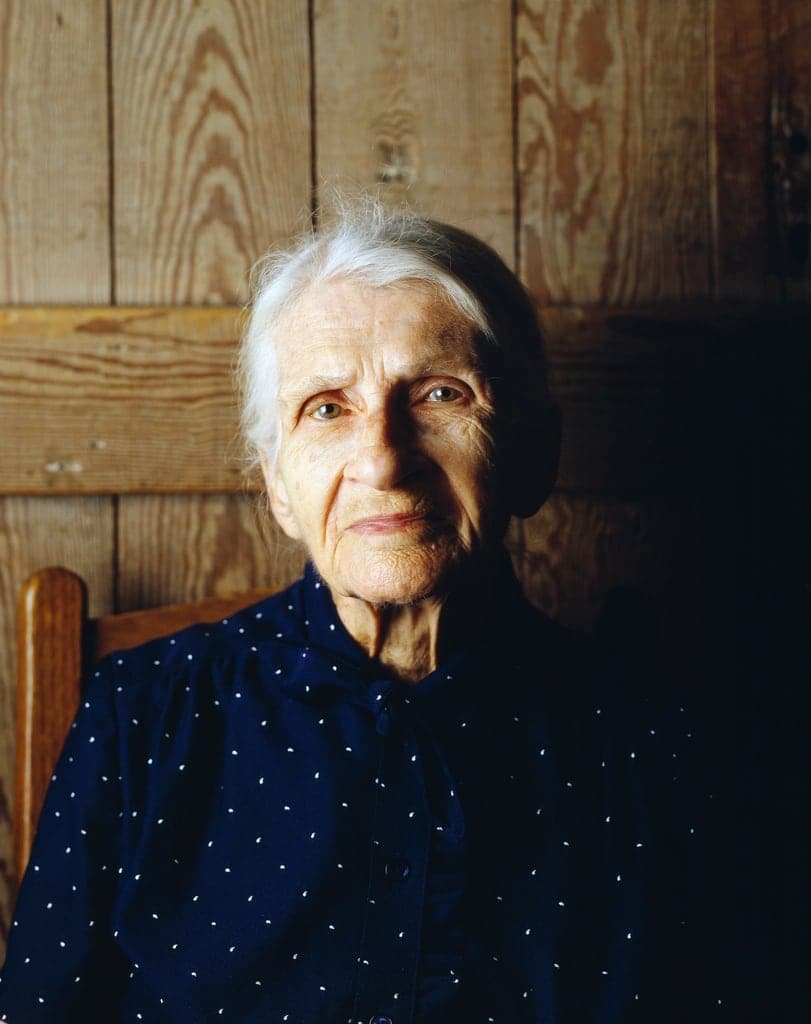
The cover is the first thing anyone sees and the only part of the book visible when it is closed. It sets the tone for everything inside. A strong cover makes people want to open the book; a weak one makes it look like any other album on the shelf.
What makes a strong cover photo?
The best cover photos share a few qualities:
- One clear subject. A face, a couple, a single place. Busy photos become cluttered at cover size.
- Simplicity. Plain backgrounds and calm areas give room for a title.
- Emotion. The photo should capture the feeling of the whole book, not just one event in it.
- Sharpness. Covers are large and closely inspected. Choose a photo with real detail.
Should the cover be the best photo in the book?
Not always. The best photo might be a wide group shot or a busy celebration, which works brilliantly inside but poorly on a cover. Choose the photo that best represents the book at a glance. A quiet portrait or a simple detail often makes a more striking cover than the most dramatic image.
Where should the title go?
Place it over the calmest part of the photo, such as sky, a wall or empty space, where it can be read easily without covering faces. Keep the title short: a name, a place, a year, or a few words. Long titles look crowded at cover size.
Should a cover be full bleed or framed?
A full bleed photo, running to every edge, feels bold and modern. A smaller photo framed by a plain colour or a linen cover feels classic and refined. Both work. Full bleed suits travel and celebration books; framed covers suit anniversaries, family histories and portfolios.
What about text-only covers?
A cover with only typography, perhaps on cloth or linen, can feel very elegant, especially for an heirloom book. It also protects the photos inside from being judged before the book is opened. Some people prefer to save every photo for the pages and let the cover be a quiet title.
Think about the spine and back
If your book has a printed spine, add the title there too, so it can be found on a shelf. The back cover is a good place for a small photo, a quote or simply the year. These small touches make a book feel finished.
Test it small
Look at your cover design shrunk down to the size of a postage stamp. If you can still see what it is about, it is a strong cover. If it becomes a blur, simplify: a tighter crop, a shorter title, fewer elements.