The psychology of holding a printed photo
There is something irreplaceable about the weight of a photograph in your hands.
By the Studio6 min read
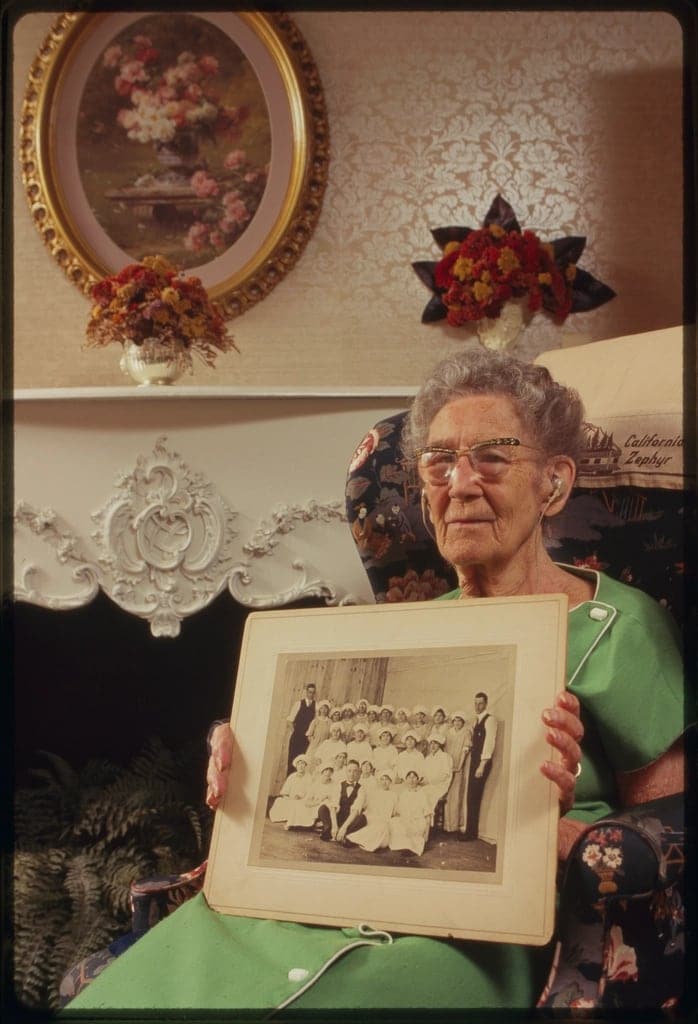
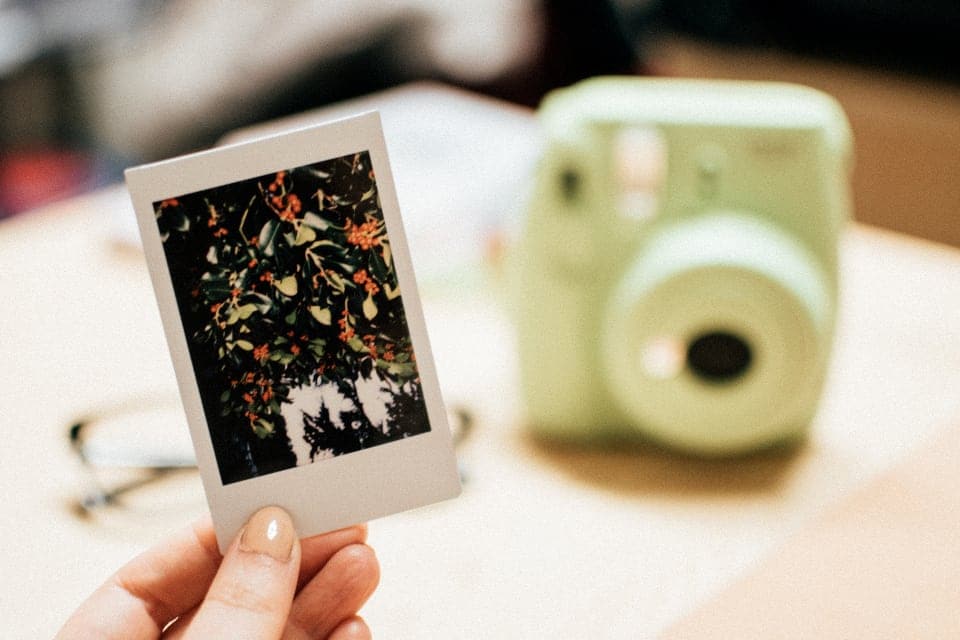
Watch someone pick up an old printed photo. They hold it closer than they would hold a phone. Their thumb rests on the edge. Their voice changes when they start to talk about it. Something about a physical photograph invites a different kind of attention, and it is worth understanding why.
Touch makes things feel real
We understand the world through our hands as much as our eyes. Objects we can hold feel more real and more valuable than images on a screen. A printed photo has weight, texture and edges. It occupies space. Holding it, we feel connected to the moment it records in a way that is difficult to explain but easy to recognise.
Objects become anchors for memory
A printed photo is not only a picture of a moment; it becomes part of our lives as an object. We remember where it was kept, who gave it to us, the times we looked at it. These layers of memory accumulate over years, which is why an old photo can feel so much more meaningful than the same image stored as a file.
Scarcity creates value
Digital photos are unlimited, and things that are unlimited tend to feel less precious. A printed photo is a choice. It took effort, time and care. That sense of selection signals importance, both to the person who made it and to anyone who receives it.
Printed photos invite conversation
A phone screen is usually held by one person and turned towards others. A printed photo or book can be passed around, placed on a table and looked at together. This shared looking naturally leads to storytelling: who was there, what happened next, what someone said. Those conversations are often where memories are kept alive.
Attention without interruption
When we look at photos on a phone, notifications appear, the screen dims, and the next image is a swipe away. Printed photos have no interruptions. We can look for as long as we like, and our attention stays with the moment. This undivided attention is part of why looking at printed photos can feel calming.
Printed photos for children
Children who grow up with printed family photos often know their family stories better, because the photos are visible and accessible. A book on a low shelf is something a child can pick up on their own, ask questions about and return to again and again.
Bringing it home
You do not need to print everything to feel these benefits. A single book each year, or a few photos on a wall, changes how a family relates to its own history. Somewhere in the act of holding a photo, a memory becomes a little more permanent.