Building a photobook for your small business
A printed portfolio or lookbook gives your brand a tangible presence that digital marketing alone cannot achieve.
By the Studio6 min read

Every small business has a story that its customers rarely see: the early mornings, the hands that make the product, the regulars who have been coming for years. A printed book is one of the few places that story can live in full. It sits on a counter, travels to meetings, and gets picked up by people who would never scroll that far down your feed.
What kind of photobook should a small business make?
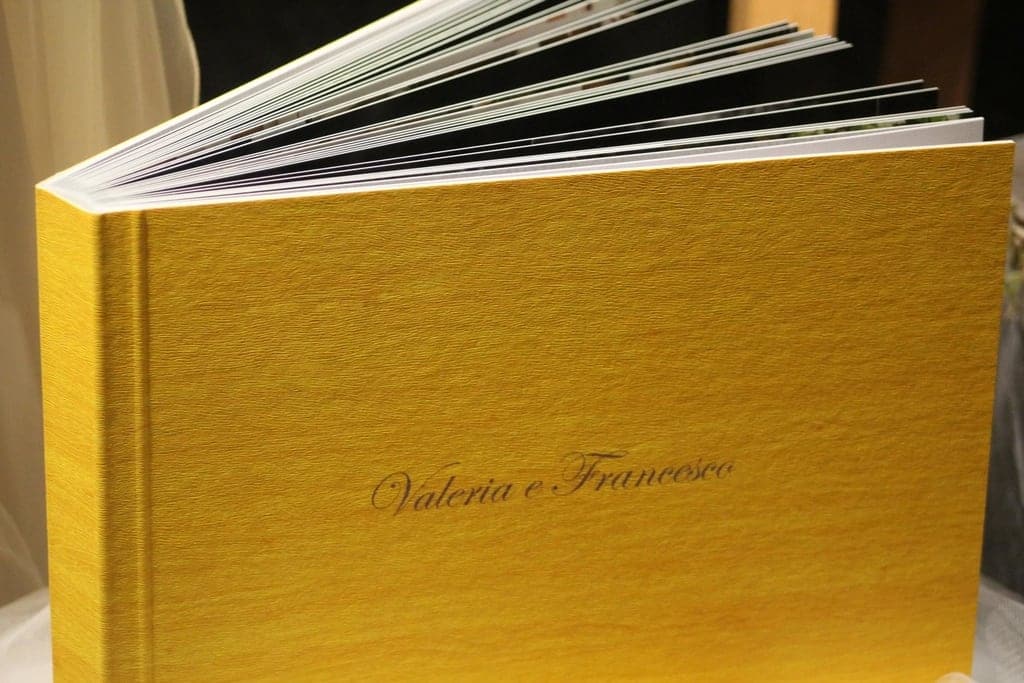
Start with the job the book has to do. A lookbook shows products in context and helps customers choose. A portfolio proves your skill to future clients. A brand story book explains who you are and why you do it. An anniversary book thanks the people who got you this far. Most small businesses get the most from a short brand story book with a portfolio section at the back.
What photos do I need?
You need fewer than you think, and they need to be varied. Aim for a mix of:
- People. You, your team, your customers if they agree. Faces build trust faster than anything else.
- Process. Hands at work, tools, ingredients, sketches, the messy middle.
- Product. Clean, well-lit shots of what you sell, ideally on a consistent background.
- Place. The shop front, the workshop, the street, the view from the counter.
If you are hiring a photographer for one day, give them this list. If you are shooting yourself on a phone, use soft window light and keep backgrounds simple.
How should I structure the book?
A clear structure makes a small book feel professional:
- Opening. One strong image and one sentence about why the business exists.
- The beginning. Where it started, with an old photo if you have one.
- How we work. Process photos with short captions.
- What we make. Products or projects, a page or a spread each.
- The people. Team and customers.
- Closing. Contact details and a line of thanks.
Twenty to forty pages is plenty. A tight book that people finish is worth more than a thick one they put down.
How do I make it look on brand?
Use your brand colours sparingly, as accents rather than backgrounds. Choose one or two typefaces and stick to them. Keep photo edits consistent so the book looks like one voice. Leave white space; it signals confidence. If you have a logo, place it on the cover and the last page, not on every spread.
How can a small business use a printed book?
- Keep a copy on the counter or in the waiting area.
- Bring it to meetings with wholesale buyers, landlords or potential partners.
- Give it to your best customers as a thank you.
- Send it to local press with a short note.
- Use it as a gift for staff on an anniversary.
A printed book says something a link cannot: that you cared enough to make something real. For a business built on craft or service, that message is the whole brand in one object.
Keep it updated
Treat the book like an edition rather than a final statement. Make a new one every year or two, with fresh photos and a short letter about what changed. Over time, the shelf of editions becomes its own story: proof that you were here, that you grew, and that the people who walked through your door mattered.