How to design a graduation photobook
A graduation photobook captures an entire chapter of life, not just the ceremony.
By the Studio6 min read
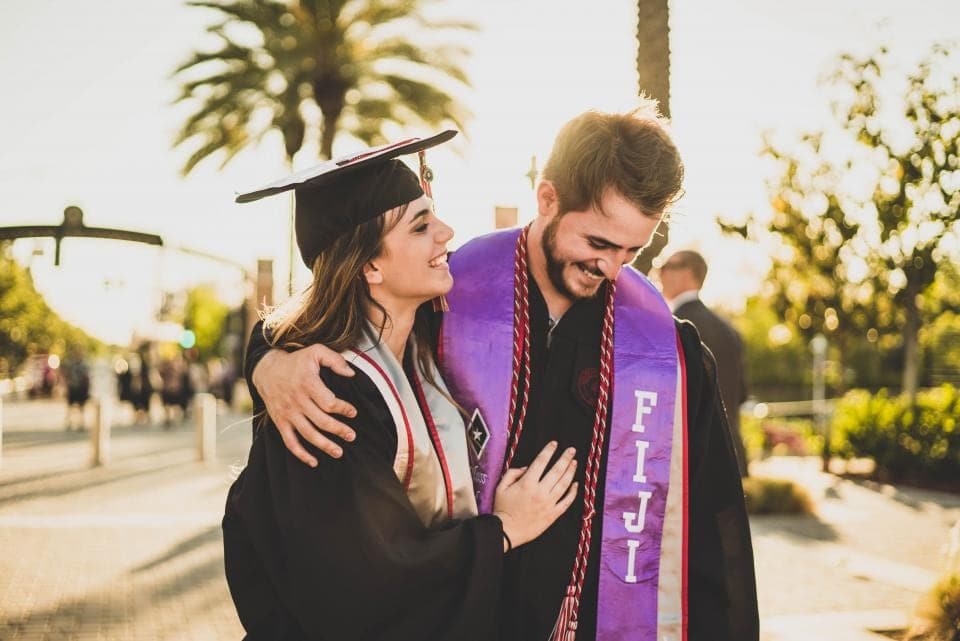
Graduation day is one afternoon. The years that led to it are full of late nights, borrowed notes, canteen tea, friends who became family and teachers who believed in someone before they believed in themselves. A graduation photobook is a chance to hold the whole chapter, not just the gown and the certificate.
What should a graduation photobook include?
Think beyond the ceremony. The strongest graduation books mix:
- The first days. Orientation, the first room, the first group photo when nobody knew each other yet.
- Everyday life. Libraries, labs, classrooms, hostels, the bus stop, the canteen.
- The people. Close friends, roommates, mentors, the classmate who always had a charger.
- The milestones. Exams survived, projects submitted, events organised, trips taken.
- The ceremony. Gowns, caps, certificates, proud parents, the hug after.
- What comes next. A closing page with plans, wishes or messages from friends.
Where do I find the photos?
Ask. Your friends have photos of you that you have never seen, and the best ones are often on someone else's phone. Create a shared folder a few weeks before you start designing and ask everyone to add their favourites at original quality, not as compressed copies from a chat app. Parents often have photos from the first and last days that make a lovely frame for the book.
How should I organise a graduation photobook?
Chronology is the natural choice: year one to final year, ending with the ceremony. It is easy to follow and builds toward the big day. Another option is to organise by theme, with chapters for friends, study, adventures and celebrations. Theme-based books often feel more personal, because they group the moments by what they meant rather than when they happened.
How do I make it feel personal?
Words make the difference. Add short captions with names, places and inside jokes. Ask three or four friends to write a paragraph each and place their words beside a photo of you together. Include small scans: a ticket stub, a handwritten note, a page from an old notebook, the programme from the ceremony. These details turn a photo collection into a story.
What layouts work well?
Use a mix of full page photos for big moments and grids for the everyday. A spread of small photos of the same group across the years, placed side by side, is always moving. Keep at least one quiet page with a single photo and a lot of white space, ideally for the moment you are most proud of.
How many pages should it have?
Between forty and sixty pages is a comfortable size for most graduation books. It is enough to cover several years without becoming a chore to finish. If you are making copies for friends, a slimmer edition of twenty to thirty pages is a lovely gift.
Make copies for the people in it
A graduation book is one of the few photobooks where everyone in it would love a copy. Consider making a small edition for your closest friends or for the parents who supported you. It is a thank you that will still be on their shelf years from now, when the group chat has long gone quiet.