How to design a recipe book with your family photos
Combine treasured family recipes with personal photos to create a cookbook that doubles as a keepsake.
By the Studio7 min read
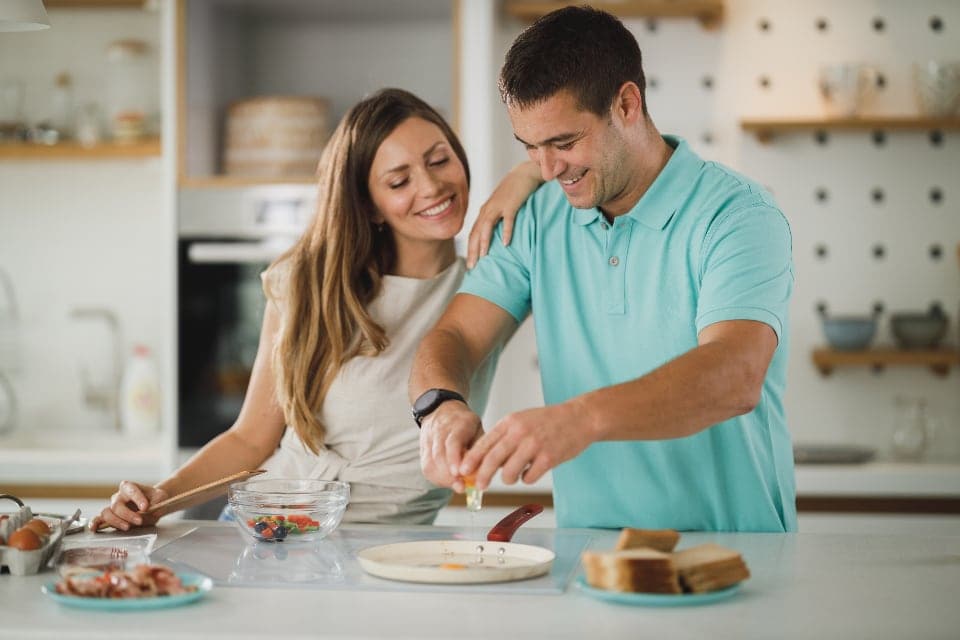
In most families, the recipes that matter were never written down. They live in someone's hands: a pinch of this, cook it until it smells right, add the ghee at the end, not before. A family recipe book saves those recipes and the people behind them, and it is one of the most loved photobooks anyone can make.
How do I collect family recipes?
Cook with the person who knows the dish. Stand beside them in the kitchen with a notebook and a phone. Ask them to slow down. Measure what they put in, even if they never measure it themselves. Write down the little instructions that sound unimportant, such as which pan they use or how the mixture should look. Those details are often what makes the dish theirs.
If someone is far away, a video call works too. Ask them to talk you through the recipe while you cook along, and record it with their permission. Their voice can be transcribed into the book later.
What photos should a recipe book include?
Three kinds of photos make a family cookbook come alive:
- The finished dish. Shot in soft window light, from above or at a slight angle.
- The process. Hands kneading, stirring, folding, rolling. Close, simple, real.
- The people. The cook, the family at the table, children stealing a bite.
You do not need a professional setup. Cook near a window, turn off overhead lights, and photograph the food on a plain plate. A wooden board or a simple cloth makes a lovely background.
How should each recipe page be laid out?
Keep a consistent structure so the book is easy to use:
- The name of the dish, and what the family calls it.
- A short story: who made it, when, and why it matters.
- Ingredients in a clean list.
- Steps in numbered order, written in plain language.
- A photo of the dish, and where possible, a photo of the cook.
Give each recipe its own spread when you can, with the story and photo on one side and the method on the other.
How do I add handwritten recipes?
If someone wrote recipes on cards or in a notebook, scan or photograph them in good light and include them beside the typed version. The handwriting, the stains and the crossed-out corrections are precious. Typed text keeps the recipe usable; the original keeps the person present.
How should I organise the chapters?
Follow how your family actually eats. You might organise by meals, by festivals, by family member or by season. A book with chapters such as "Sunday mornings", "Festival food" and "Grandmother's kitchen" is easier to love than one sorted by starters and mains.
Which paper works best for a recipe book?
A recipe book will live in the kitchen. Choose a matte or uncoated paper that resists glare and is pleasant to write on, so people can add notes in the margins. A sturdy cover helps it survive the counter.
The real value
Years from now, someone will open this book on a quiet afternoon, find a recipe written in the words of a person they loved, and cook it. That moment is why recipe books are worth making.