Photographing Dashain and Tihar at home
Festival photos are some of the most treasured pictures a family takes, and some of the hardest. How to capture tika, lamps, rangoli and the people in between.
By the Studio7 min read
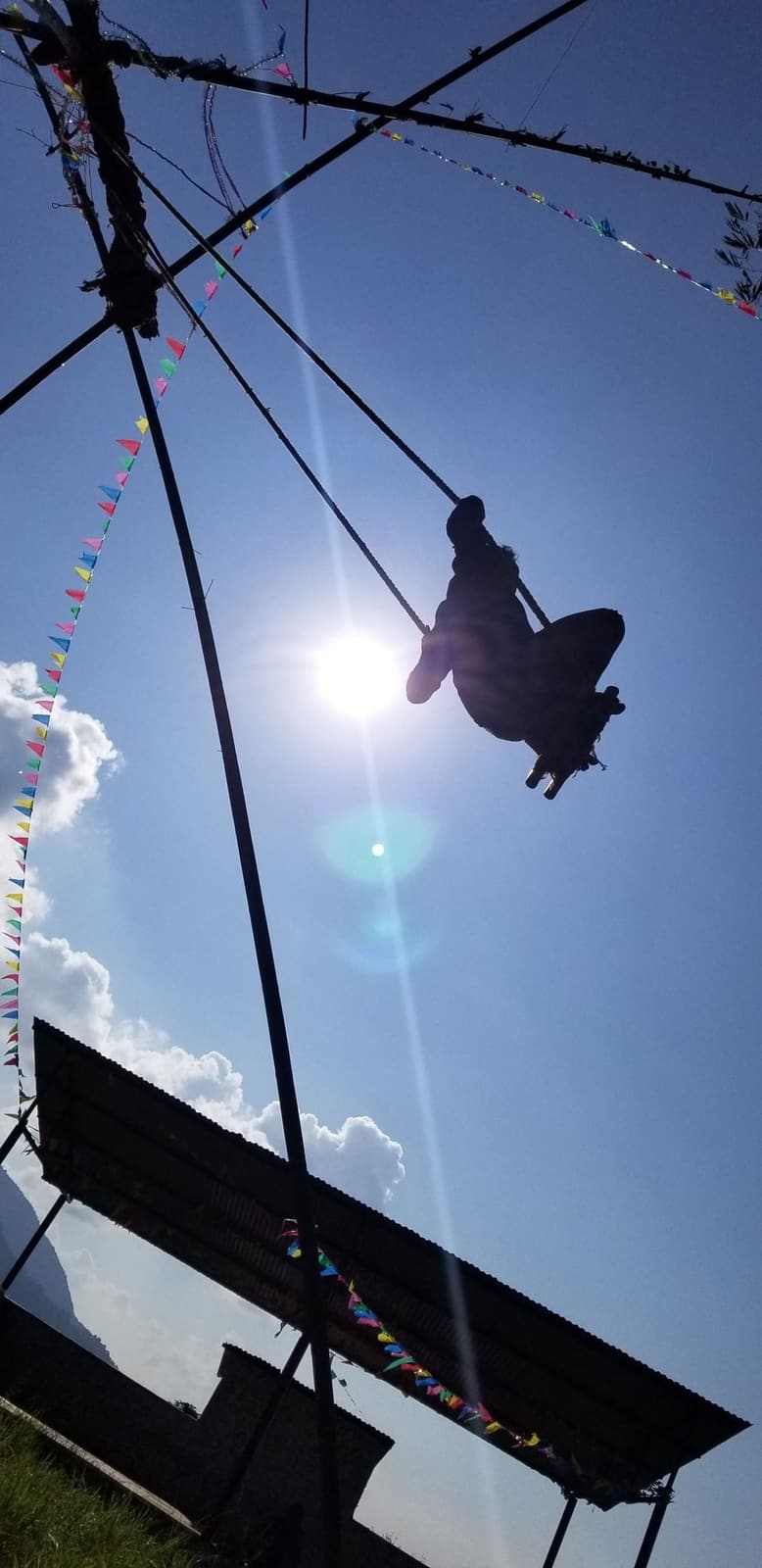
Festival photos become more precious every year. Grandparents giving tika, cousins who have travelled home, a doorway lit with oil lamps, a rangoli finished just before dusk. They are also some of the hardest photos to take well: rooms are crowded, light is dim and warm, and everyone is busy. A little planning means you come away with pictures worth a whole chapter.
How do I photograph tika and blessings?
The moment of giving tika is quick and full of feeling. Position yourself to the side rather than behind the elder, so you see both faces: the hand placing tika and the face receiving it. Natural light from a window or door is far kinder than overhead bulbs, so if you can, suggest the blessing happens near the light. Take a burst of photos through the whole moment. The best frame is often the second after, when someone smiles or touches their forehead.
Capture the details
Festivals are made of small, beautiful things: jamara tucked behind an ear, a plate of tika and rice, malas of marigold, new clothes laid out the night before, sel roti cooling in a basket. Photograph them close and simply. These are the photos that set the scene in a book and make a whole spread feel like the day.
How do I photograph oil lamps and lights at night?
Diyas and string lights are beautiful and dim, which tests any camera. Turn the flash off: it flattens everything and kills the glow. Hold very still, or rest the phone on a wall or step. Tap on the flame and slide exposure down until the flame has shape instead of a white blob. Most phones have a night mode that combines several exposures; it works well for still scenes like a row of lamps on a balcony.
Photograph rangoli from above
Rangoli and mandala patterns look best straight from above, with the phone held level and parallel to the ground. Stand on a step if you can. Shoot in daylight or early evening while there is still some ambient light, then take another photo after the lamps are lit for contrast. A photo of hands still adding colour tells a story a finished pattern cannot.
Include the people who make it happen
The person who cooked for twenty, the child carrying lamps across the courtyard, the uncle fixing the lights for the third time. Festivals are full of quiet work that rarely gets photographed. Those pictures often mean the most years later.
Make it a tradition
Take the same photo every year: the family in the same doorway, grandparents in the same chairs, children standing against the same wall. Placed side by side in a book, these simple photos show time passing more powerfully than any single picture can.
Turning festival photos into a book
A festival book can follow the days of the festival in order, giving each day its own chapter, or it can follow one family through one memorable year. Choose a calm layout with plenty of white space so the colour of the photos does the talking, and keep captions short: names, places, one sentence of what happened.