Photographing temples, squares and old towns
Pagodas, courtyards and carved windows reward patience. How to photograph heritage places beautifully and respectfully.
By the Studio6 min read
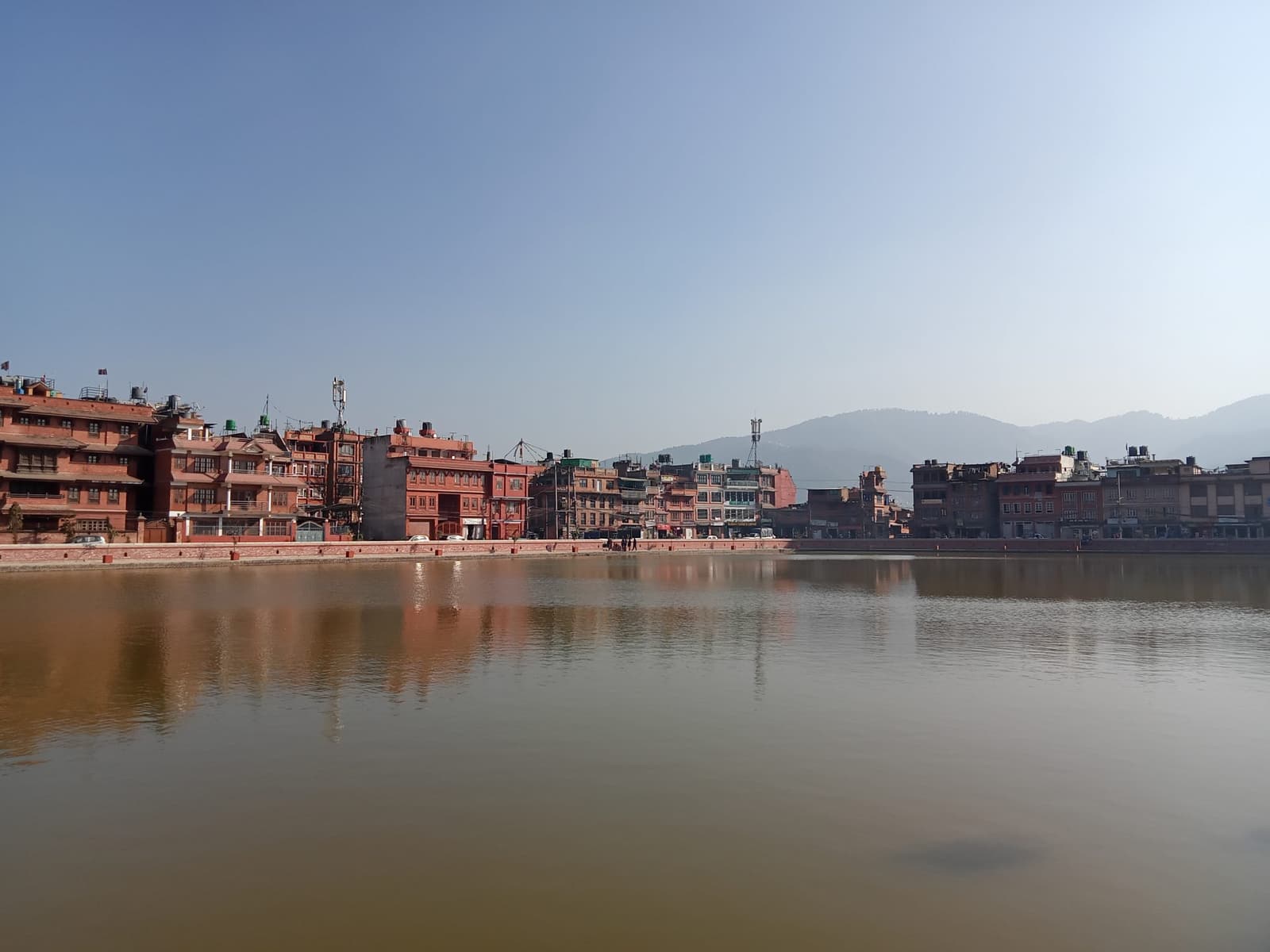
Old towns are full of photographs: tiered pagodas, ponds reflecting temple roofs, carved wooden windows, courtyards where pigeons gather in the morning. They are also full of people living their lives and places that hold real meaning. Photographing them well means slowing down and paying attention to both.
When is the best time to photograph old squares?
Early morning. Light is soft and low, crowds are thin, and daily life has its own quiet ritual: people visiting shrines, shopkeepers opening shutters, steam rising from tea stalls. Late afternoon light is also beautiful on brick and wood, but squares are busier. Midday sun flattens carvings and creates harsh shadows under roofs.
Use reflections and symmetry
Many temples sit beside ponds or open squares, which makes them ideal for reflections and symmetrical compositions. On still mornings, crouch near the water's edge so the reflection fills the lower half of the frame. Line up the centre of a temple with the centre of your photo for a calm, formal image that works beautifully as a full page.
Look for details
Step closer. Carved struts, brass door knockers, painted masks, worn stone steps, offerings of flowers and rice. Detail photos are often more striking than wide views, and they make excellent supporting images in a book layout, especially in grids of three or four.
How do I photograph people in temples respectfully?
Ask before photographing people up close, especially during prayer. A smile and a gesture toward the camera is usually enough to ask. Avoid flash inside shrines, follow posted signs, and never block someone's path to worship for a photo. Some inner sanctums do not allow photography at all. Respect that, and photograph the outside instead.
Give the building a sense of life
A temple with no one around can look like a postcard. A temple with a person walking past, a child feeding pigeons or an elder sitting on the steps looks like a place. Wait for a figure to enter the frame in a good position, and take the photo then.
Arranging heritage photos in a book
Open a chapter with a wide view of the square, follow it with medium shots of buildings and people, then close with a page of details. This rhythm mirrors how we actually experience a place: first the whole, then the parts that stay with us.